Life Wisdom From The Greatest Thinkers Who Ever Lived | Donald Robertson
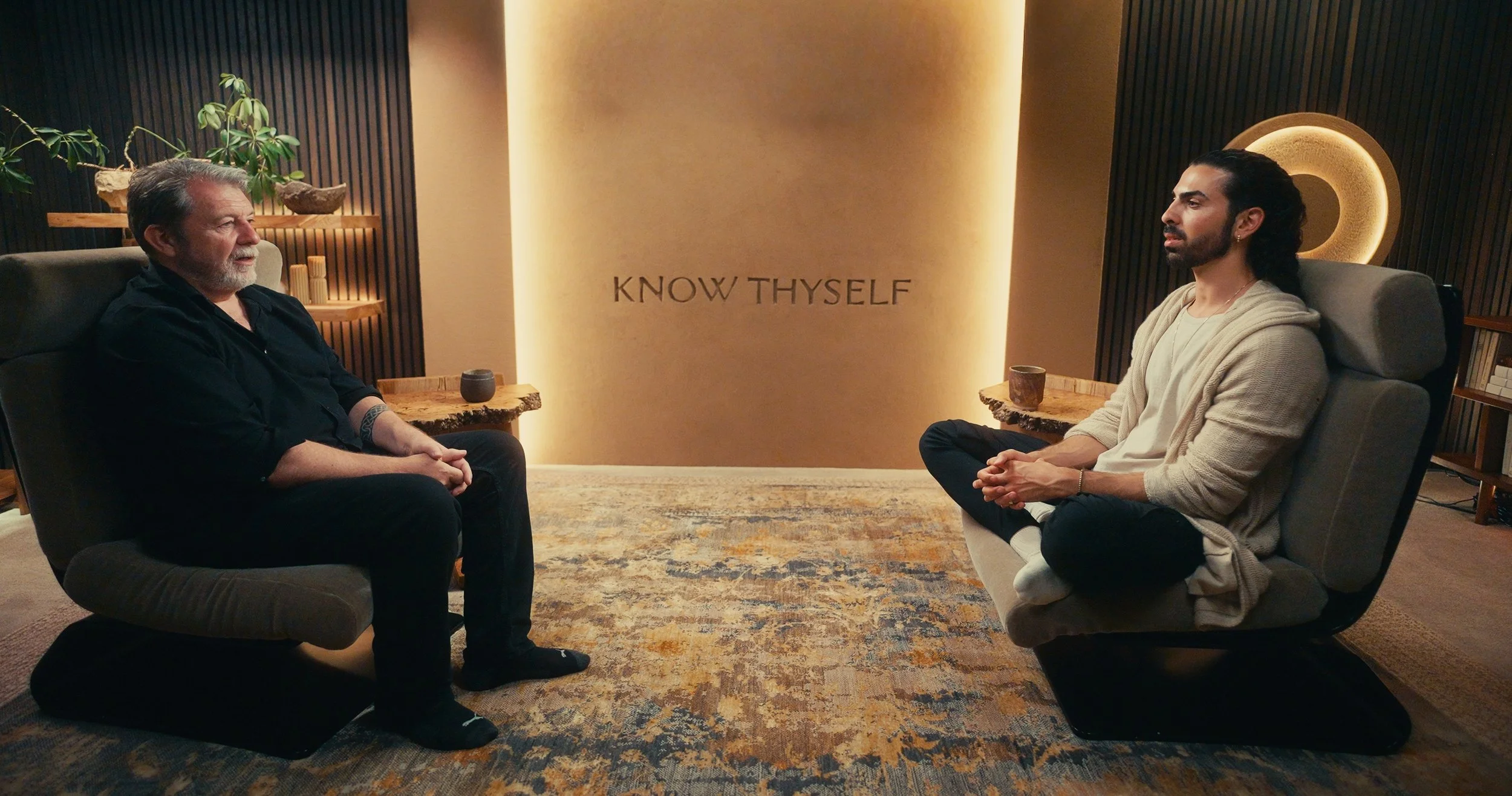
Donald Robertson is a cognitive behavioral psychotherapist, author of over nine books, and one of the founding voices in the modern Stoicism movement. He has spent over 30 years studying how ancient Greek and Roman philosophy intersects with contemporary psychology, and in this conversation we start where it all begins: the maxim carved into the temple of Apollo at Delphi. Know thyself. We explore what it actually meant, who said it, and why it still matters more than most self-help advice written in the last century.
What I found most valuable in this conversation is how Donald brings these ideas out of the classroom and into the body. We get into how the Stoics understood emotion as a form of distorted thinking, why anger may be the single most overlooked blind spot in self-improvement, the difference between sounding wise and actually being wise, and what Marcus Aurelius was really doing when he wrote his private journals. Ancient philosophy is not abstract here. It is a set of practiced tools for living a more honest, more examined, more free life.


KEY TAKEAWAYS
Events Do Not Upset Us, Opinions Do
The Stoics drew a sharp line between what actually happens and the value judgments we add on top of it. To say something "is awful" treats our emotional reaction as a fact about the world. Noticing that distinction, even briefly, is where the real freedom begins.
Anger Is the Blind Spot
Of all the emotions that derail a life, anger gets the least attention in therapy, self-help, and honest self-reflection. Donald argues it may be the single most important frontier for growth, because mastering it transforms not just how you manage yourself but how you relate to everyone around you.
Philosophy Is a Way of Life
In the ancient world, wisdom was not something you consumed or memorized. It was something you practiced daily, in the agora, at dinner, in conversation, through reflection. Collecting insights without changing your behavior is closer to what the Sophists sold than to what Socrates taught.
JOURNAL PROMPTS
PROMPT 01
Where in your life are you treating a feeling or judgment as if it were an objective fact? What changes when you add the words "I am currently evaluating this as..."?
PROMPT 02
Think about the last time anger showed up for you. Did you examine it or just act from it? What might it be pointing to underneath?
PROMPT 03
Are you collecting wisdom or practicing it? Name one idea you have encountered recently that you know and have not yet actually lived.