The Science of Sound & Music as Medicine | Dr. Mei Rui
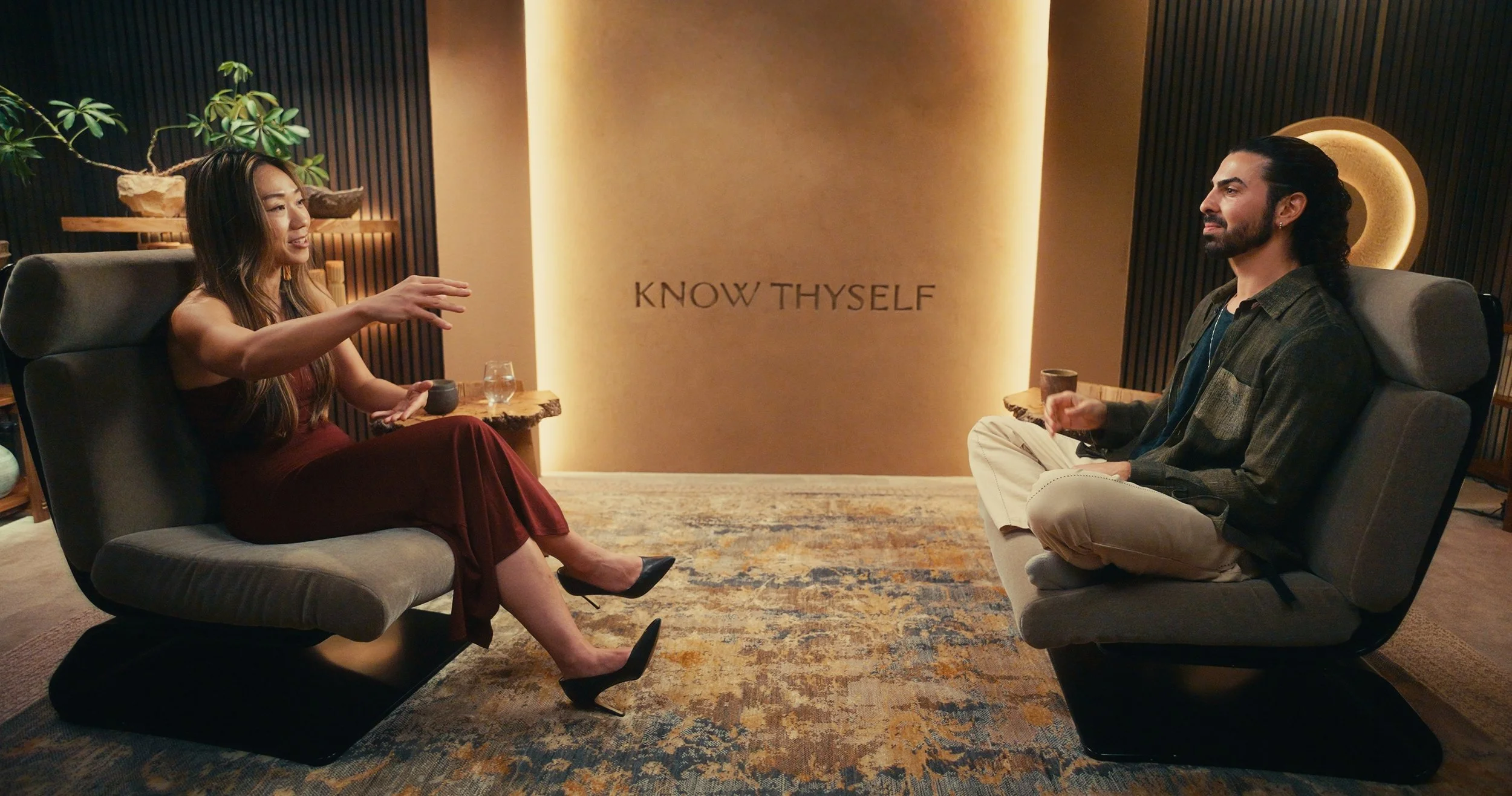
Dr. Mei Rui is a Yale-trained molecular biophysicist, concert pianist, and clinical researcher at MD Anderson Cancer Center, where she runs trials on the measurable effects of music on the human body. In this conversation, we explore what actually happens in the brain the moment music enters it, why the auditory system is the first sense to develop in the womb and the last to go when we die, and how something as accessible as a curated playlist can outperform FDA-approved pharmaceuticals in reducing cortisol.
What makes this conversation so compelling is that Mei bridges the scientific and the sacred without losing either. We get into her clinical findings, including a 32% reduction in cortisol and a 64% reduction in Alzheimer's risk from music training, but also into the deeper question of what it means to truly listen. From flow states to the spiritual dimension of live performance, this episode is an invitation to stop treating music as background noise and start using it as the medicine it has always been.


KEY TAKEAWAYS
Music Is Literal Medicine
Mei's clinical trial with 132 neurosurgical cancer patients found a 32% reduction in serum cortisol from music alone, an effect size that rivals or exceeds many FDA-approved drugs, with zero side effects. Music is not a supplement to healing. In the right context, it is the intervention.
Intentional Listening Changes Everything
Most people consume music as passive stimulation. Mei's research shows that mindful, engaged listening activates the brain's default, salience, and executive networks in ways that background listening simply cannot. The brain responds differently when you actually show up for the music.
Play an Instrument If You Can
Learning an instrument, even briefly, is one of the most neuroprotective things a person can do. A longitudinal study in twins showed that three to four years of musical training reduced the risk of Alzheimer's and cognitive decline by 64%, an effect size found in no other single activity.
JOURNAL PROMPTS
PROMPT 01
When did you last listen to music with your full attention, not as background, but as the main event? What did you notice in your body when you did?
PROMPT 02
Is there a piece of music that has consistently moved you throughout your life? What does your relationship to that piece tell you about where you are emotionally right now?
PROMPT 03
If music is medicine, what would it look like to actually prescribe it to yourself, morning, evening, during stress? What would your intentional acoustic environment look like?