What Modern Food Is Doing to Your Sense of Self | Dr. Robert Lustig
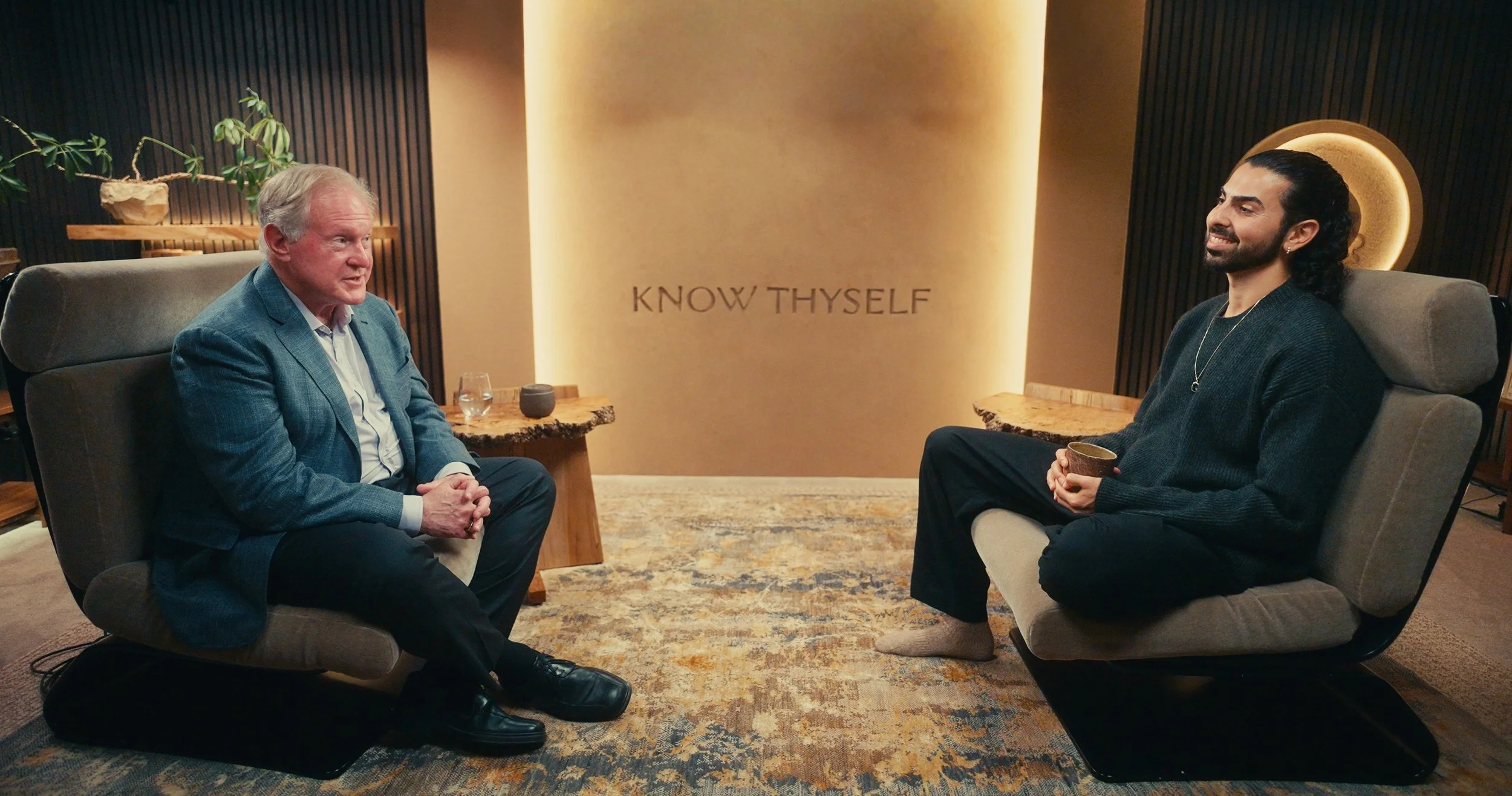
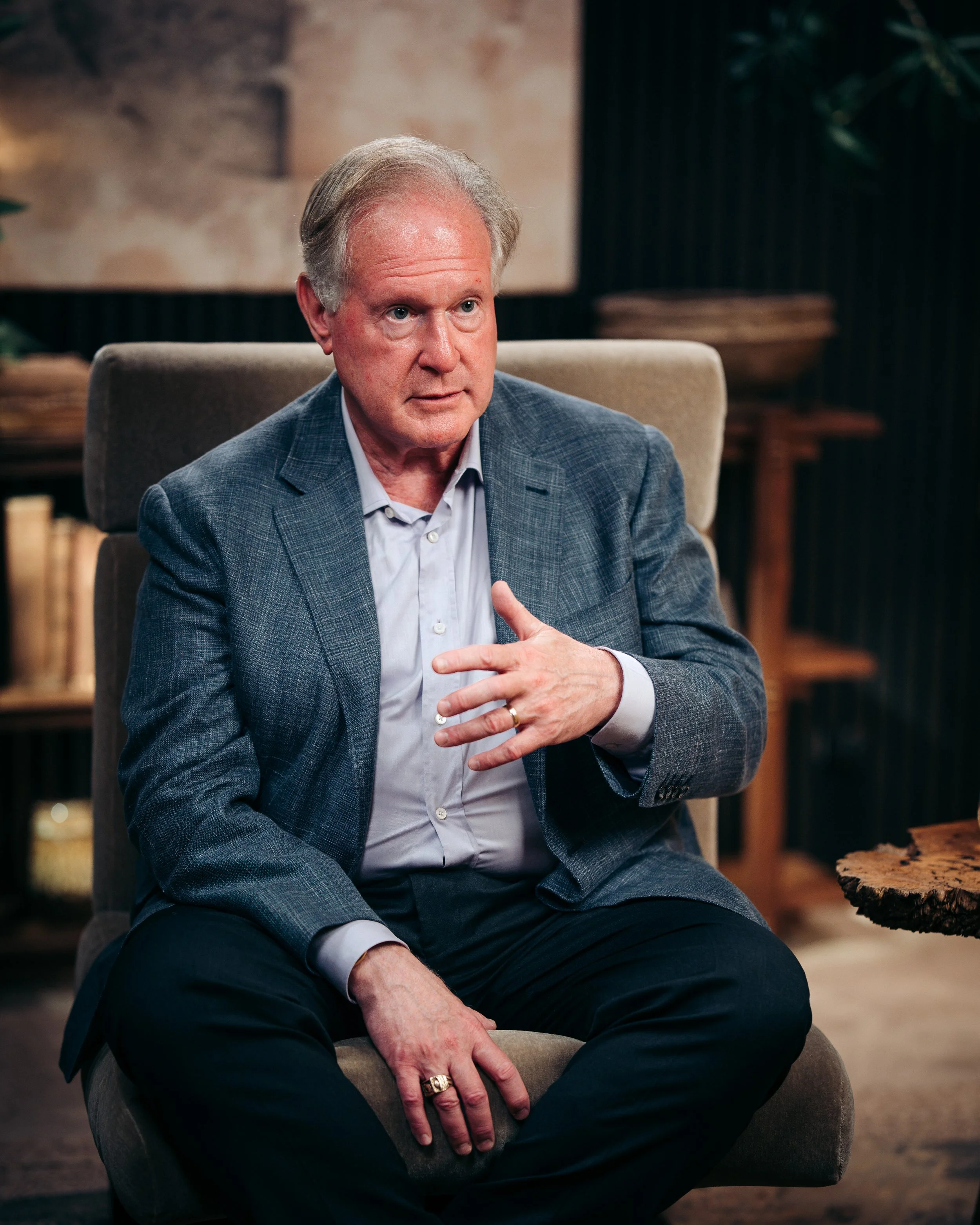
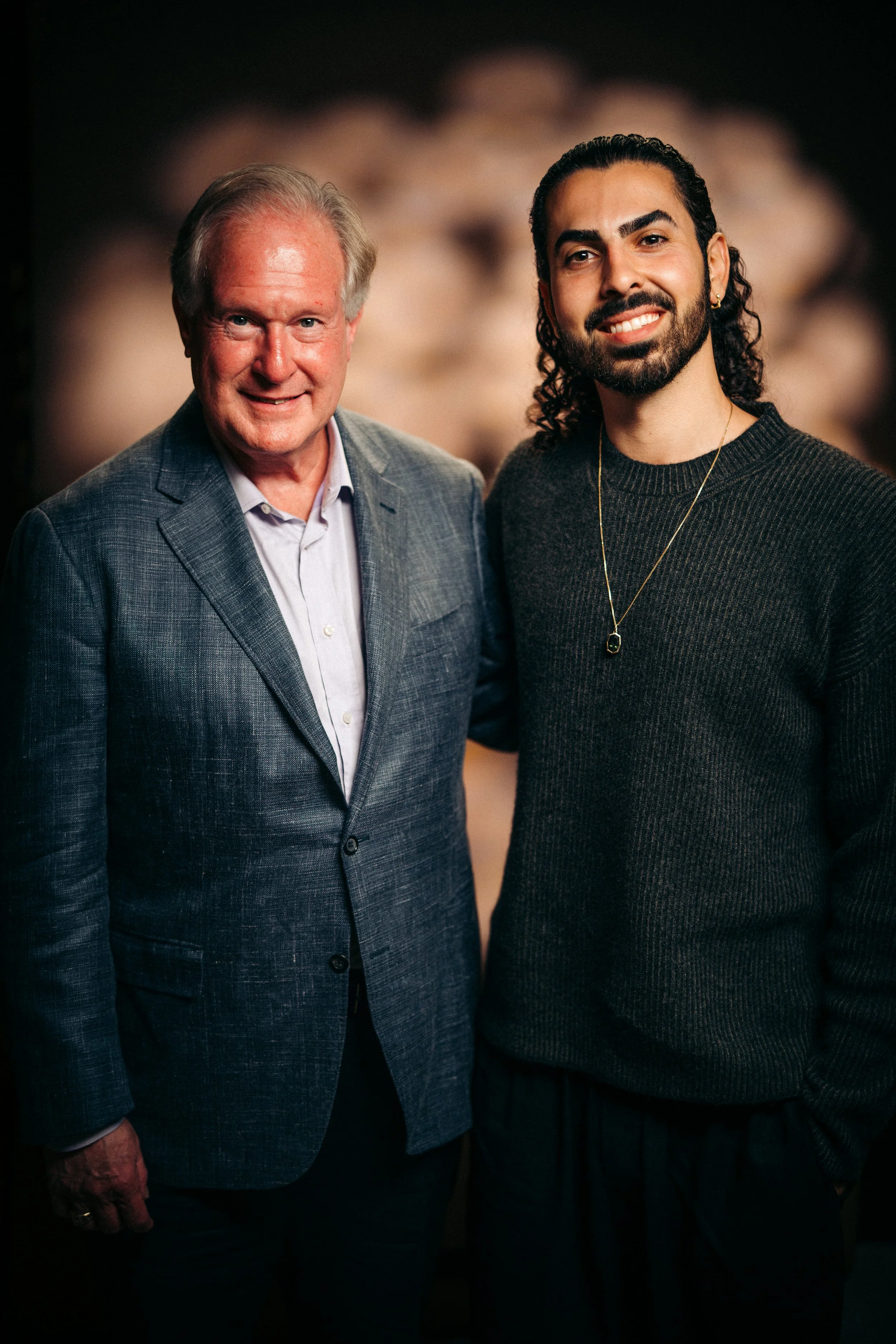
Dr. Robert Lustig is a neuroendocrinologist, pediatrician, and bestselling author who has spent 45 years watching children get sicker despite his best efforts to stop it. His work connects the dots between ultra-processed food, mitochondrial dysfunction, dopamine hijacking, and the chronic stress epidemic in a way that is impossible to dismiss. In this conversation, we explore what he calls the hostage brain, what happens to a nervous system under sustained biochemical assault, and why so much of what we call personal failure is actually a systems problem.
What I wanted to get at in this conversation goes beyond nutrition. When you understand that sugar, screens, and sleep deprivation are all depleting the same neurochemical pathways that make contentment, connection, and clear thinking possible, the question of who you are shifts. Your mood, your sense of agency, your capacity to love, these are not fixed features of your character. They are outputs of a biological system. And that system has been quietly manipulated. This conversation is about understanding how, and what you can still do about it.
KEY TAKEAWAYS
Hostage Brain Is Default
When chronic pain, emotional or physical, goes unresolved, the brain reaches for anything that spikes dopamine to quiet it. Over time, tolerance builds and neurons die. Lustig's point is that this is not a personal weakness. The food, the screens, and the stress have conspired to put nearly all of us in some version of this state.
Serotonin Is the Real Target
Dopamine drives wanting. Serotonin drives contentment. The loneliness epidemic is not simply a social problem but a neurochemical one. Cortisol reduces serotonin, dopamine antagonizes it, and ultra-processed food depletes the tryptophan needed to make it. Fixing loneliness requires addressing the biology underneath it.
Primary Needs Come First
Lustig draws a clear line between primary needs, love, sleep, real food, and secondary desires, status, power, accumulation. The crisis is not that people pursue secondary desires. It is that they have been engineered to abandon their primary needs in the process. Meeting the basics first is both the simplest and most radical act available.
JOURNAL PROMPTS
PROMPT 01
What do you reach for when you are in pain or discomfort? Is that thing actually resolving something, or just postponing the moment you have to feel it?
PROMPT 02
Where in your life are you chasing secondary desires while quietly neglecting a primary need, sleep, real food, genuine connection?
PROMPT 03
When you feel lonely, what is actually missing? And when you last felt genuinely content, what was present that isn't now?