A Zen Master With 40 Years of Practice on Who You Really Are | Henry Shukman
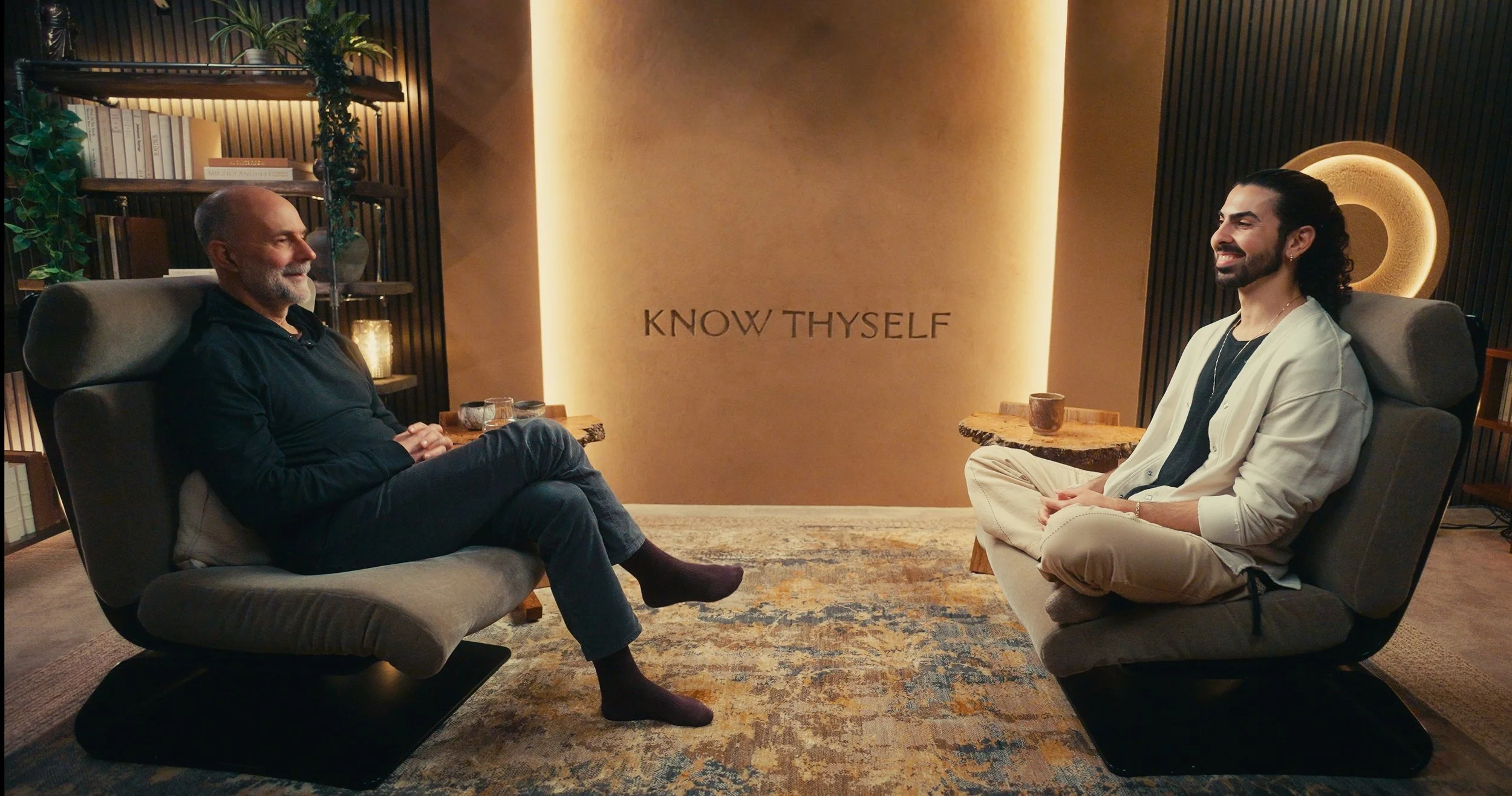
What is Zen, really — beyond the branding, the aesthetics, and the wellness industry buzzwords?
In this conversation, Zen teacher and author Henry Shukman offers a clear and grounded introduction to the heart of Zen practice. We explore how awakening is not an escape from life, but a deeper participation in it — a realization that dissolves the illusion of separation and reveals a boundless field of awareness and love.
Henry shares his own spontaneous awakening experience at 19, the profound insight that life is not divided between self and world, and the difficult healing journey that followed. From mindfulness and meditation to flow states, jhanas, koans, and the role of trauma in spiritual growth, this conversation maps out a path that integrates awakening with emotional healing.
If you've ever wondered whether enlightenment is something distant or something available right now, this episode reframes the entire journey.

KEY TAKEAWAYS
Awakening Reveals Non-Separation
Zen points toward the realization that the sense of being a separate self is ultimately an illusion. When that insight appears, the boundary between self and world dissolves into a single living reality.
Awakening and Healing Are Different Paths
A person can experience deep spiritual realization and still carry unresolved emotional wounds. True integration often requires both awakening to our deeper nature and working through personal and collective trauma.
Zen Is a Path Into the World
Zen is not about escaping suffering or transcending life. It invites us to realize our deeper nature and then re-enter the world with greater compassion, presence, and responsibility.
JOURNAL PROMPTS
PROMPT 01
When I observe my thoughts, can I notice the difference between the voice in my head and the awareness that hears it?
PROMPT 02
If I temporarily let go of the story of who I think I am, what remains in my direct experience right now?
PROMPT 03
Where in my life might awakening and healing both be required, rather than expecting one to solve the other?