What We Know About UFOs (It’s Stranger Than You Think) | Jesse Michels

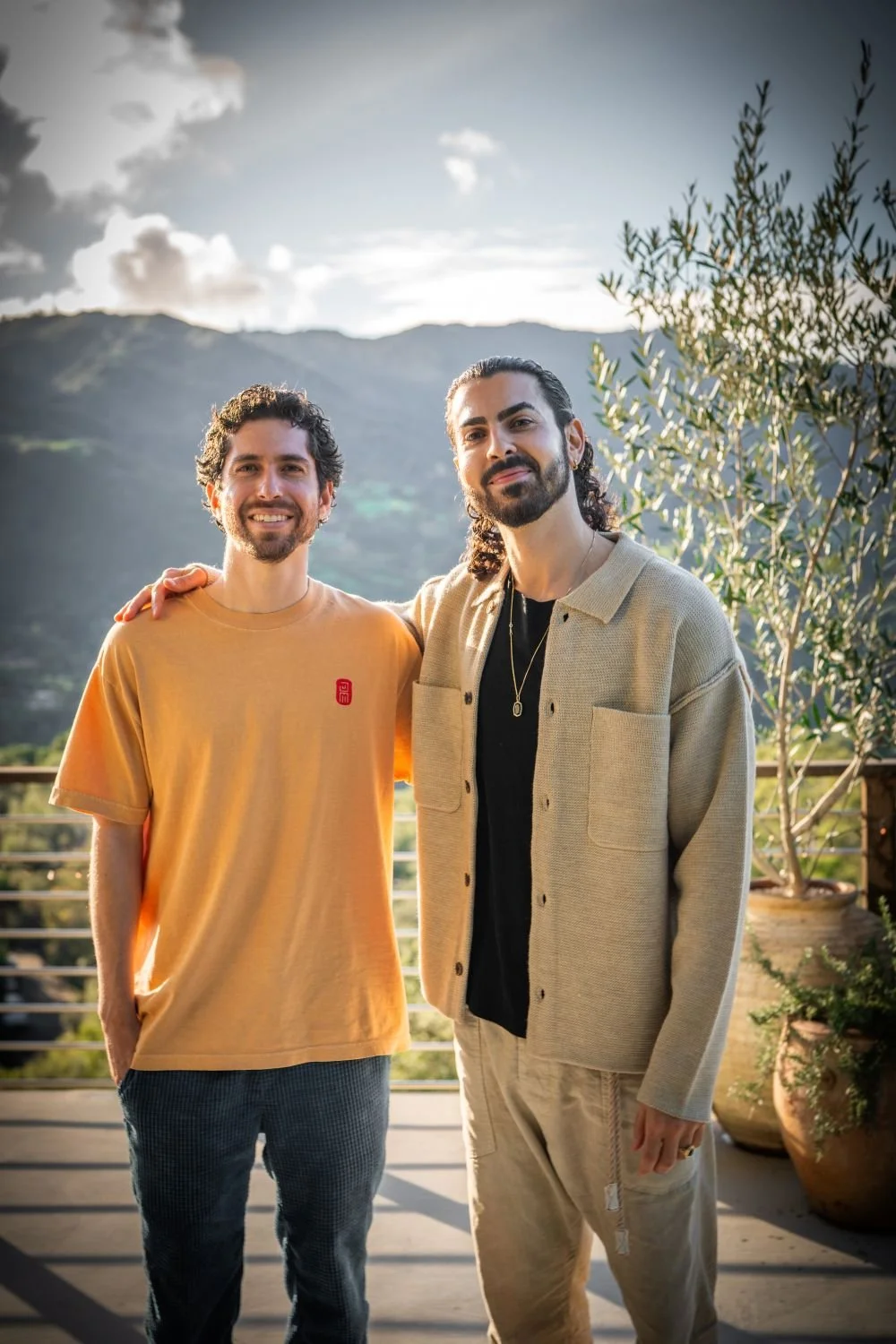
In this conversation, Jesse Michels joins me to explore one of the most unsettling and important questions of our time: what if our understanding of reality is fundamentally incomplete? Through the lens of UFOs, non-human intelligence, consciousness, and scientific paradigm shifts, we examine why this topic sits at the edge of credibility—and why ignoring it may be more dogmatic than engaging with it.
We discuss the historical record of UFO encounters around nuclear sites, the role of secrecy in shaping public perception, and how anomalies accumulate until a dominant worldview can no longer hold. Rather than jumping to conclusions, this episode is an exercise in epistemic humility—following the data wherever it leads, even when it destabilizes our assumptions about reality, intelligence, and humanity’s place in the cosmos.

KEY TAKEAWAYS
Anomalies Matter
Scientific revolutions don’t begin with answers—they begin when evidence no longer fits the existing model. Ignoring anomalies isn’t skepticism; it’s resistance to change.
Reality May Be Incomplete
From UFO encounters to consciousness itself, multiple lines of evidence suggest that our current understanding of reality is partial, filtered, and shaped by survival—not truth.
Humility Is Required
The most responsible stance isn’t belief or dismissal, but epistemic humility: following the data honestly, without ego, fear, or premature certainty.
JOURNAL PROMPTS
PROMPT 01
Where do I resist information that threatens my worldview?
PROMPT 02
What assumptions about reality do I treat as unquestionable?
PROMPT 03
How do I relate to uncertainty?