Your Wounds Are Choosing Your Partners | John Wineland
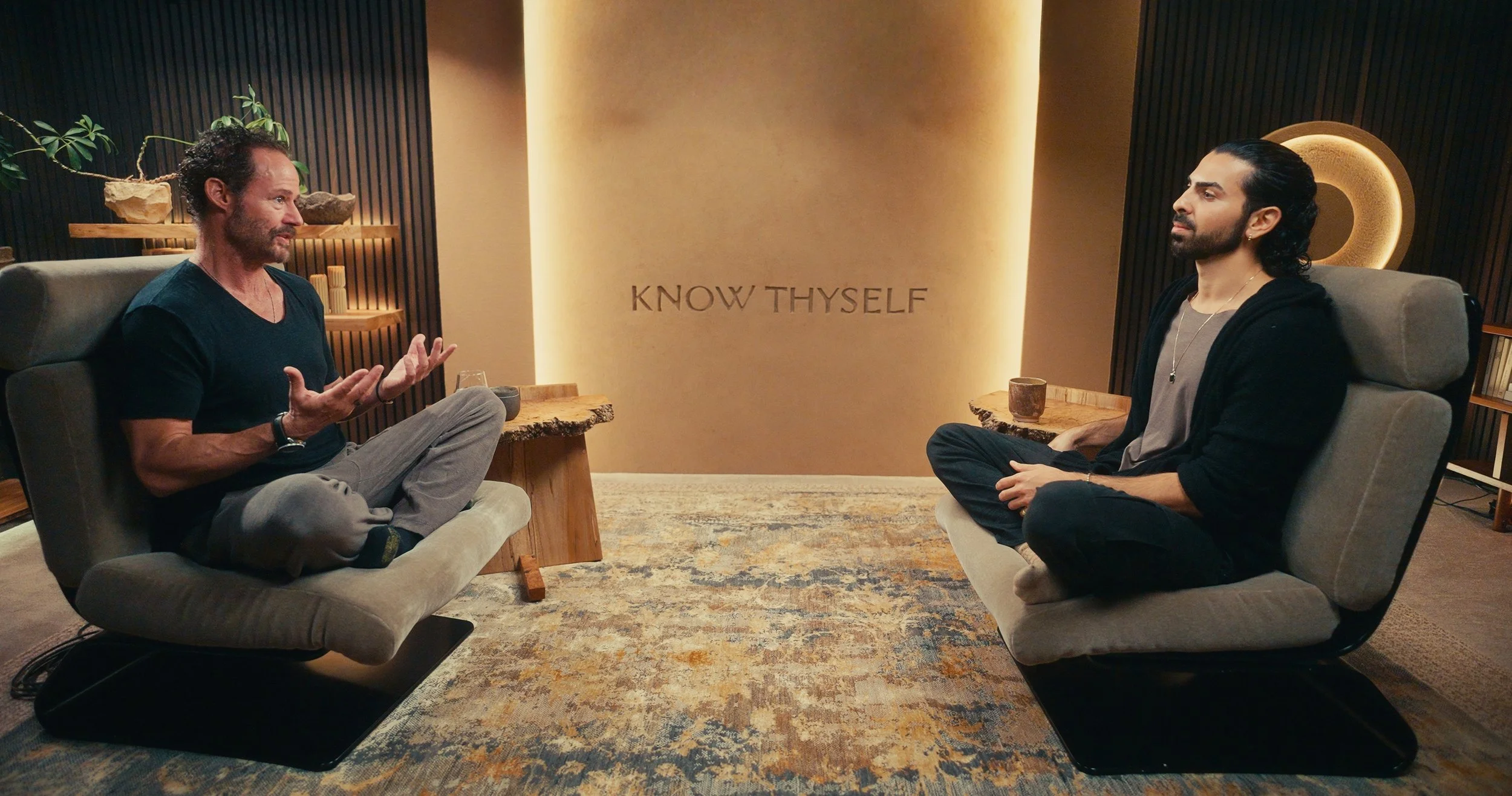
John Wineland has spent nearly twenty years teaching people how to love more deeply, and in this conversation he lays out why intimacy has become one of the most demanding spiritual practices available to us. We talk about why relationships surface our oldest wounds, why the partner we choose so often mirrors the exact pattern we grew up in, and why that mirroring is not a mistake but an invitation to heal. John also opens up about his daughter Claire, who passed away eight years ago, and what her life and death taught him about grief, presence, and unconditional love.
What stayed with me most was how practical John makes something so often treated as mystical. He breaks down the nervous system work behind real intimacy, the difference between habitual reactions and authentic expression, and the four pillars he sees moving a relationship toward what he calls divine union. If you have ever wondered why the same conflict keeps resurfacing in your relationships, or why closeness can feel more threatening than distance, this conversation offers a grounded map for working with it instead of around it.
KEY TAKEAWAYS
Your Wound Attracts
John explains that whatever part of you remains unhealed keeps transmitting into the world, and it draws a partner with the opposite wound so you can replay your childhood dynamic together. He frames this pattern as an opportunity rather than a flaw, since the relationship that triggers you most is often showing you exactly what needs attention.
The Body Holds Fear
Years of unspoken fear shape how we stand, breathe, and hold tension, so real change requires more than insight alone. John describes training the nervous system through practices like breathwork and qigong so the body can stay open in moments that would normally trigger defense, attack, or withdrawal, which is where lasting change actually happens.
Grief Never Fully Ends
Reflecting on his daughter Claire, John shares that there is no end to grief because there is no end to love. He describes honoring grief as an act of self love rather than something to rush past, and encourages anyone facing loss to give that grief real space instead of staying busy to avoid feeling it.
JOURNAL PROMPTS
PROMPT 01
Where in your relationships do you notice yourself repeating a childhood pattern?
PROMPT 02
What does your body do in the moment before you shut down or lash out?
PROMPT 03
What grief have you been rushing through instead of honoring?