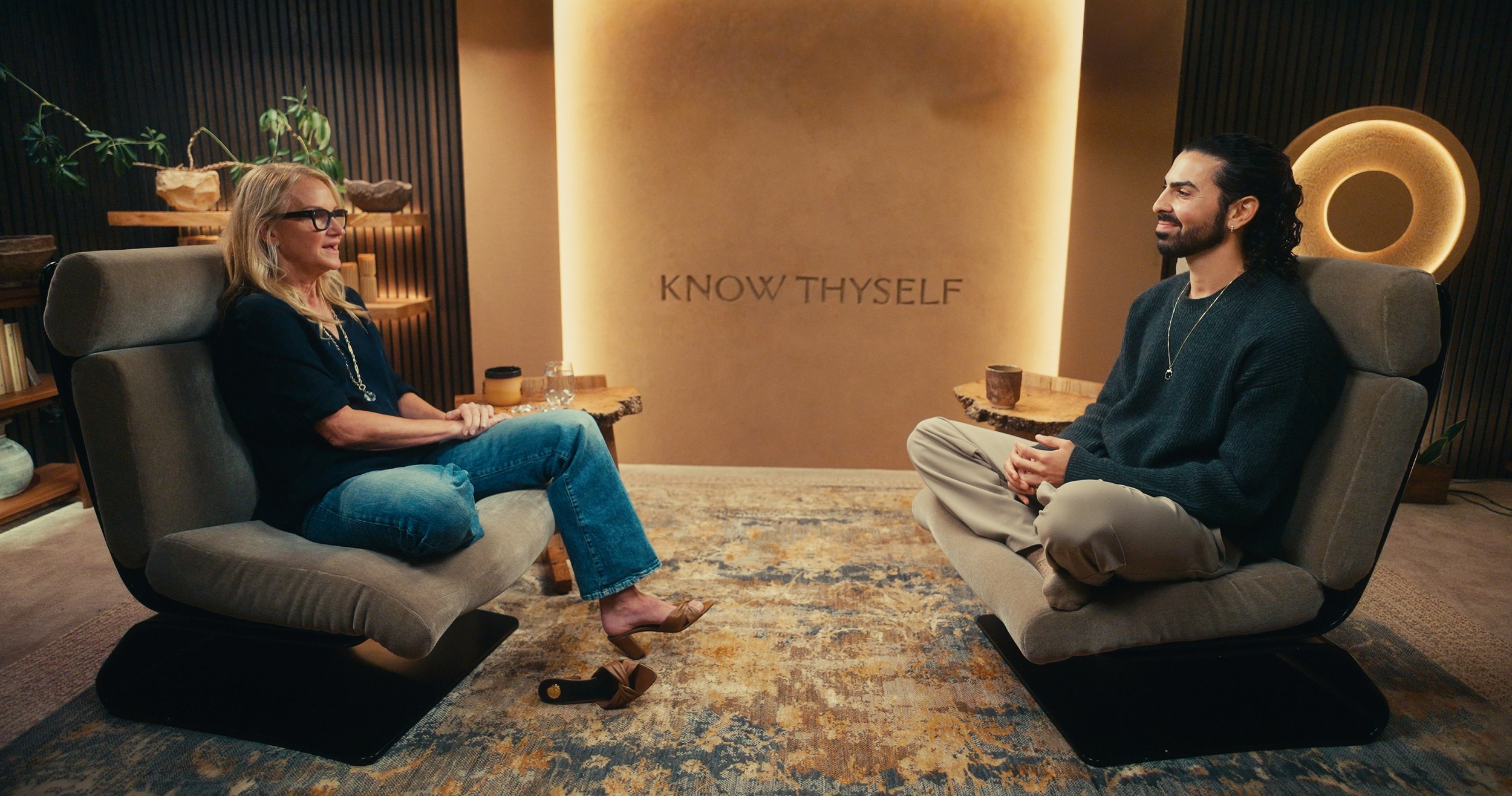
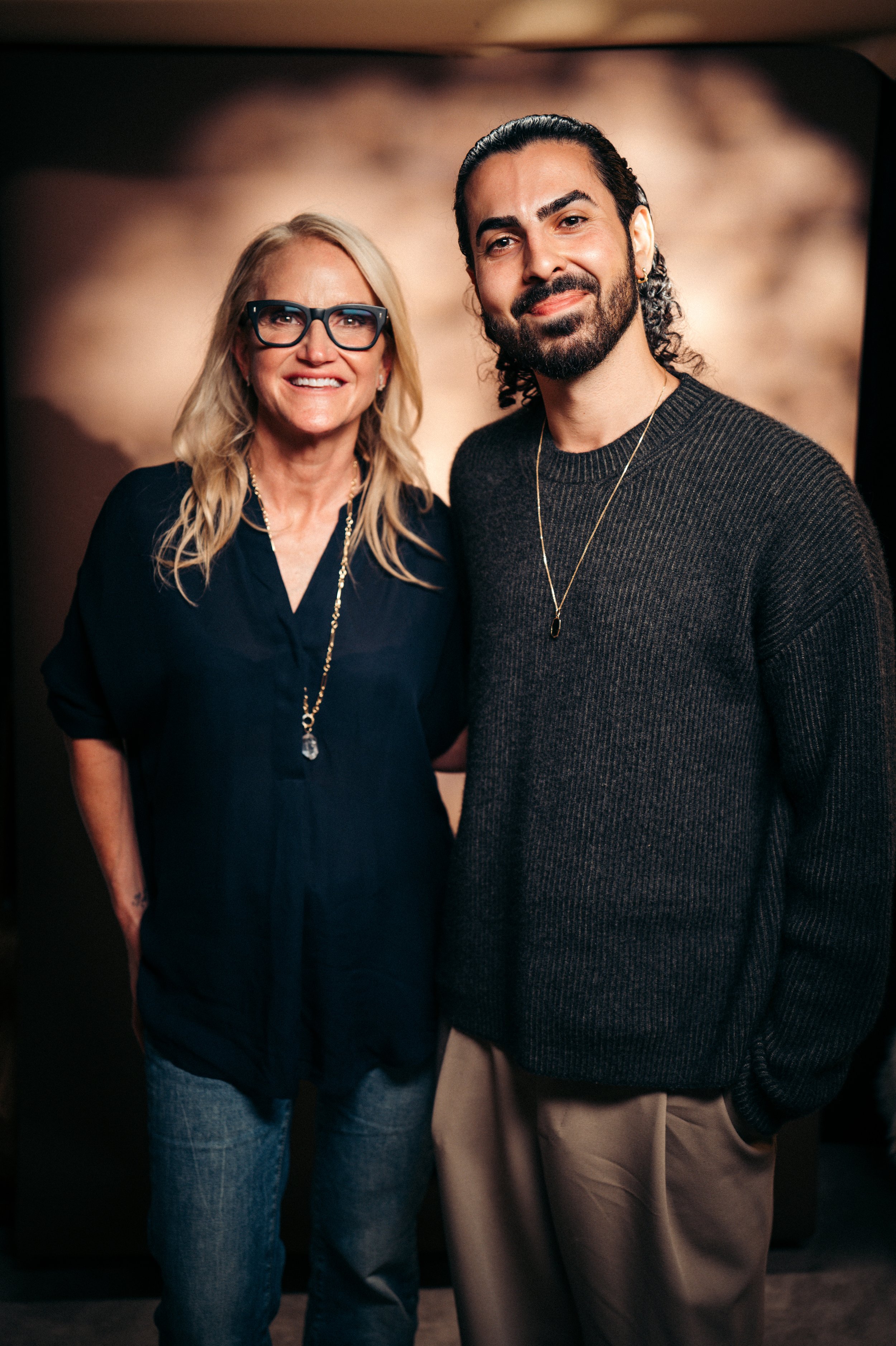
In this episode I sit down with Mel Robbins, host of The Mel Robbins Podcast and author of The Let Them Theory. Mel takes me back to the age of 41, when liens on her house, unemployment, heavy drinking, and constant anger had turned her into a person she didn’t recognize. We explore what finally moved her to change, why thinking alone never changes a life, and how she slowly separated her sense of worth from her success through therapy, a quieter life in Vermont, and learning to slow down a nervous system that never stopped running.
We also go deep into the Let Them Theory itself. Mel explains why the need for control is hardwired, why trying to change other people backfires, and why “let them” only works when it is paired with “let me.” I press her on whether the framework can slide into a subtle superiority, and we talk about the tradeoff between simplicity and precision, what makes a great communicator, purpose as something that happens in other people, and what success has taught her that failure never did. If you have ever felt behind in life, this conversation is a reminder that you can begin from exactly where you are.
KEY TAKEAWAYS
Pain Before Change
For Mel, change came when staying where she was became more painful than doing the small things she had been avoiding. Her life began to turn once she stopped waiting for someone to rescue her and started acting like the person she needed, one ordinary Tuesday at a time, without waiting to feel ready.
Let Them, Then Let Me
Saying let them is a boundary that helps you recognize what you cannot control, from a parent’s habits to a friend’s opinion of you. The real power comes in the second step, let me, where you choose your response, your boundaries, and how you want to show up in the relationship from here.
Purpose Lives in Others
Mel came to see purpose as something that happens in other people when you do what you do. It can be lived anywhere, in a grocery store line or with an Uber driver, through the way your energy and presence leave others feeling encouraged, seen, and a little more hopeful about their own lives.
JOURNAL PROMPTS
PROMPT 01
If I changed nothing, what would an average Tuesday look like five years from now?
PROMPT 02
Where am I trying to control someone else, and what would letting them look like today?
PROMPT 03
What do I hope people feel after time with me, and how am I living that this week?