Your Body Is Starving For Attention | Ido Portal
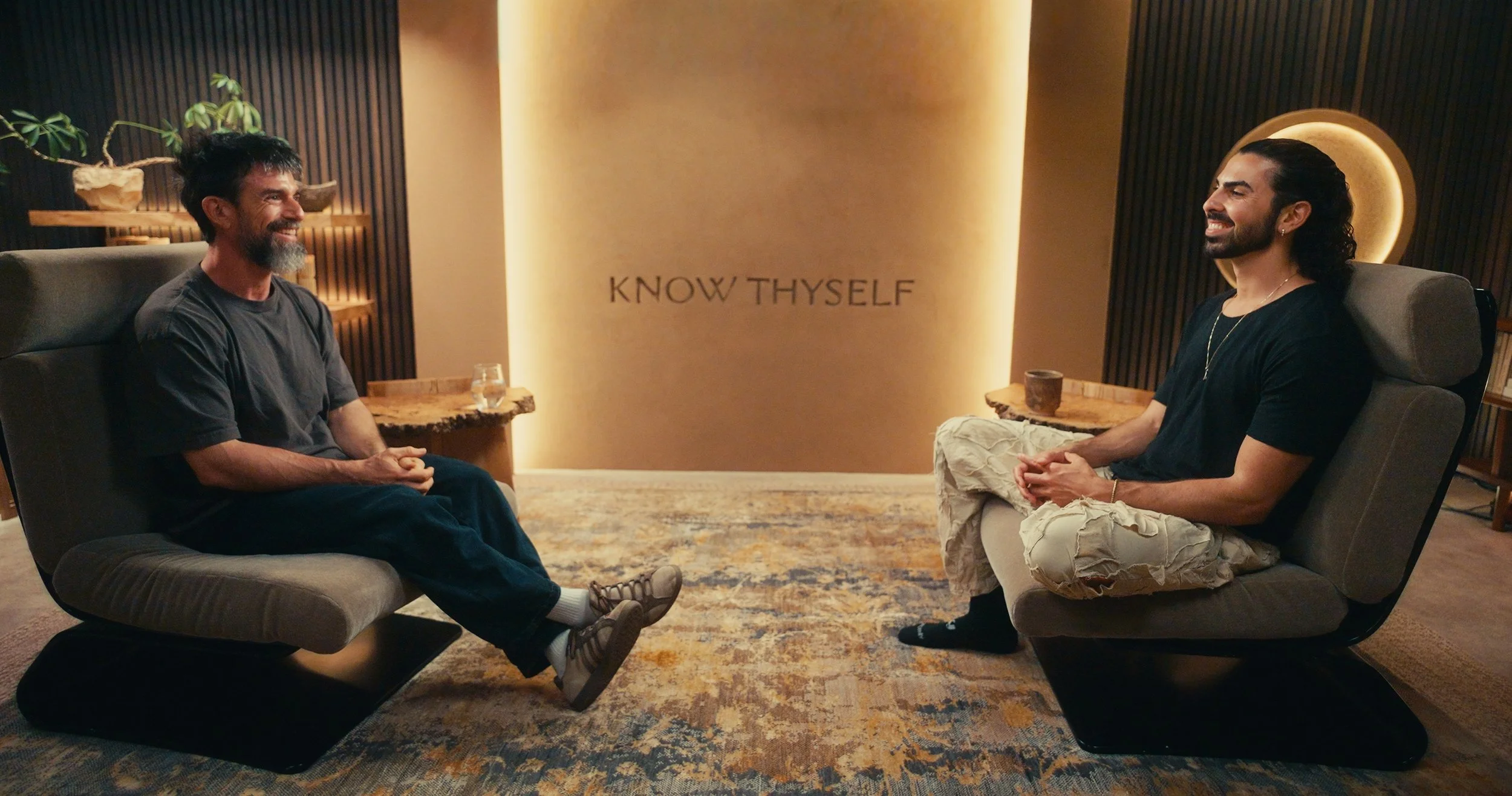
Ido Portal is one of the most original movement thinkers alive. He has spent decades studying the body across martial arts, acrobatics, yoga, dance, and ancient movement traditions, not to master any one of them, but to ask a deeper question: what does it actually mean to move well, and what does the body reveal when you finally start listening to it? In this conversation, we go long, covering ground that most movement conversations never reach.
What I found most striking about Ido is how completely he reframes the premise. Movement is not exercise. The body is not a vehicle. Practice is not a method you apply to yourself. It is what you are. We get into the corrupted data most of us receive from our bodies, why attention itself is the medicine, the difference between practicing for exposure and practicing for yourself, and why the real entry point into this work is not a new routine but an honest admission: I don't actually have this yet.
KEY TAKEAWAYS
You Don't Have a Body. You Are the Body.
Most of us treat the body like a car to maintain, something we service occasionally for performance or appearance. Ido's entire framework starts from the opposite premise: the body is not a tool you use, it is what you are. That shift alone changes what practice means.
Attention Gives Life
What we attend to grows. What we neglect crumbles. Ido applies this principle everywhere, from babies in hospitals to athletes on the field. Bringing undivided attention to even one part of your body for one minute, with no music, no phone, no audience, begins a transformation most people have never experienced.
Start with Not Knowing
The most important moment in Ido's own journey was admitting he didn't have what he was looking for. Not as defeat, but as a beginning. The person who thinks they already have a connection to their body is the one most closed off to finding it. Not knowing, and staying there, is the actual practice.
JOURNAL PROMPTS
PROMPT 01
When did you last move your body with no music, no phone, no audience? What came up when the distractions were gone?
PROMPT 02
Where in your life are you performing for exposure rather than practicing for yourself? What would change if you removed the audience entirely?
PROMPT 03
Is there an area of your life where you assume you already have it, but haven't honestly tested that assumption? What would it feel like to admit you're still at the beginning?